
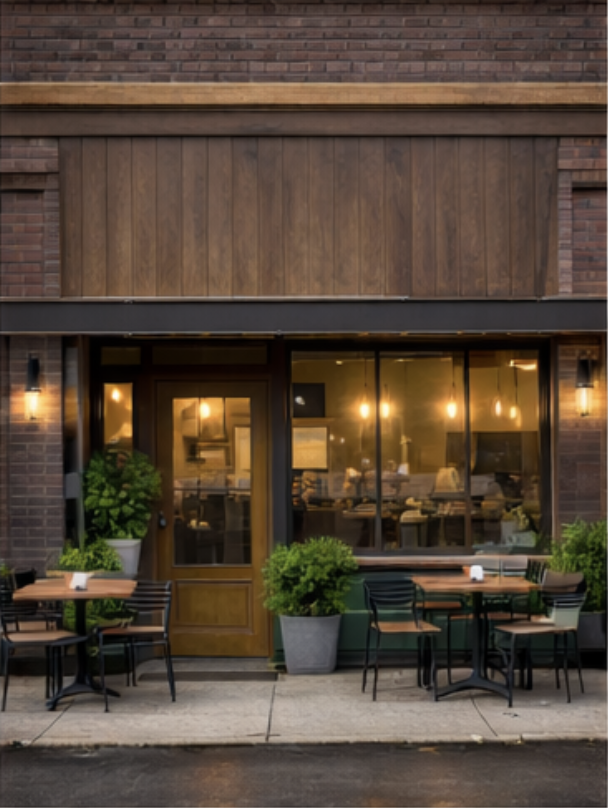
Your business could power your neighborhood.
Reduce landfill waste, generate clean energy, get measurable savings, and build a positive brand image in the community.

Progress with Purpose
Legacy Biomass
Chicago’s first waste-to-energy solution
built for businesses of every size.
What We Do
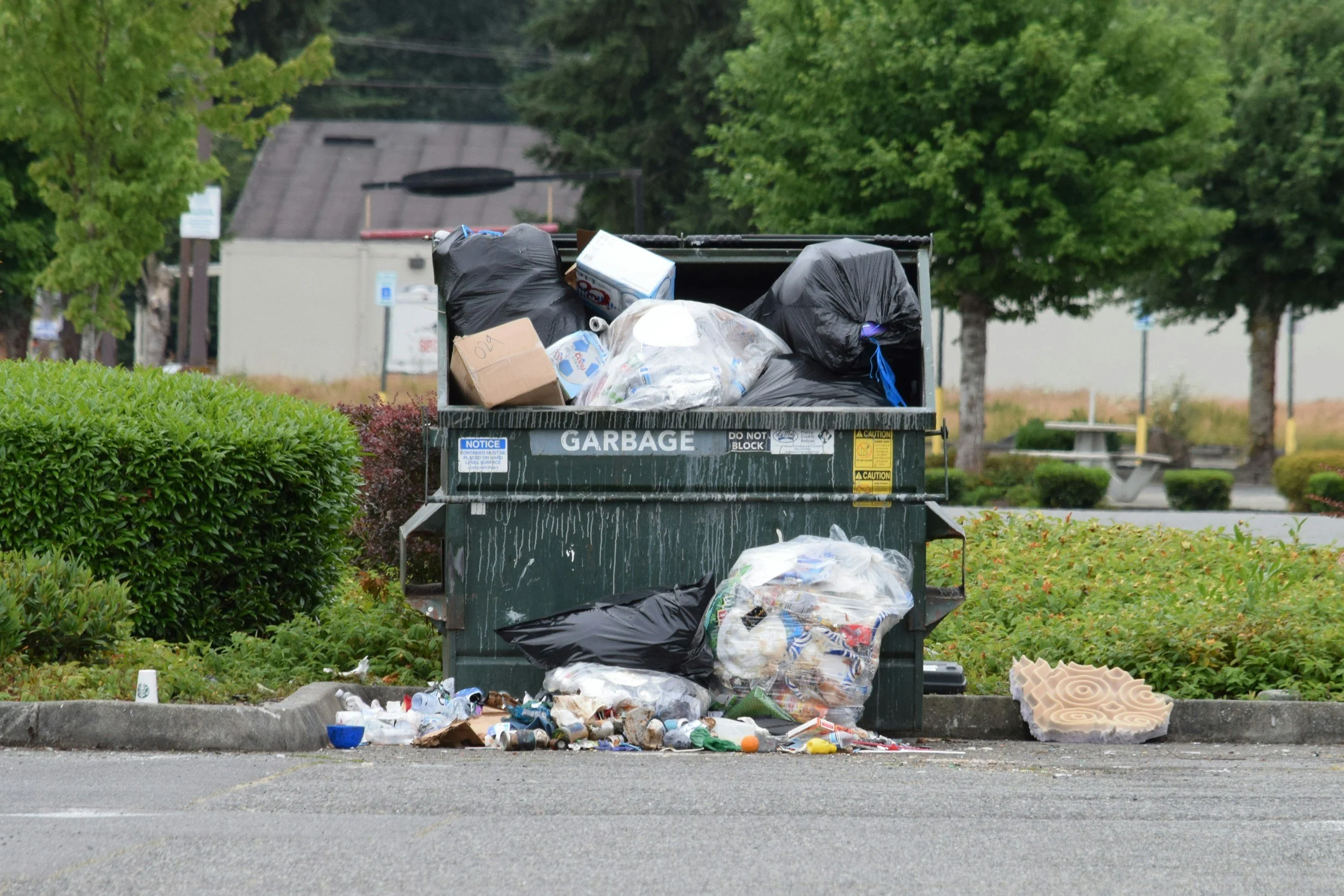
Chicago produces over one million tons of food waste annually, but small and mid-sized businesses lack affordable access to anaerobic digestion, leaving valuable energy and climate benefits untapped. Today, the city has only one commercial food waste digester and limited composting capacity.
Thousands of Chicago restaurants, grocers, universities, hospitals, shared kitchens, breweries, nursing homes, schools, and food banks are still sending organics to landfills because there is no accessible alternative.
At Legacy Biomass, we absorb the capital risk, handle the technology, and share the upside. We use capacity leasing with a simple subscription model for access. This lowers costs, reduces landfill waste, and gives organizations a real climate impact they can measure and report.
Our solution replaces a costly, broken waste system with a cleaner, neighborhood-level system built for a better future.
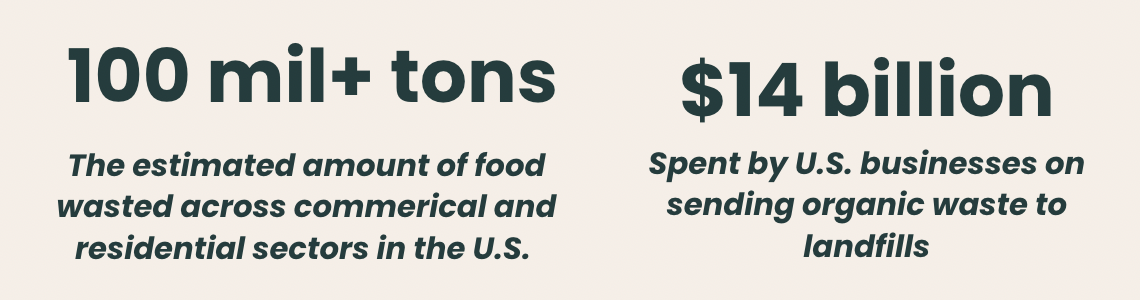
Waste is expensive. Energy is valuable. We connect the two.
How does it work?
Legacy Biomass is waste management + renewable energy + data and analytics:
Drop
Collect your organic waste. Skip the dumpster and drop it into your Anaerobic Digestor (AD) unit. You can share the AD with neighboring businesses or get a dedicated unit on-site just for your operations.
Digest
The AD breaks down collected food scraps and other organic material. A process that takes days, not months.
Power
Our AD unit generates electricity and organic fertilizer. We capture it and share the upside with our partner businesses.
Legacy Biomass brings small-scale anaerobic digestion to Chicago’s food waste-producing businesses, turning a daily liability into local energy, savings, and measurable ESG value.
We help forward-thinking businesses make real, measurable impact on their communities.
You don’t have to be a big business to think big picture.
-
Anaerobic digestion is a process that converts food scraps and other organic waste into a useful product. Think of it as organic waste recycling.
In simple terms, microbes break down the waste in an oxygen-free tank and create two valuable outputs: clean energy and a nutrient-rich liquid fertilizer. It is the same basic process that happens in nature, just guided and contained so we can put the results to work.
It is a smart alternative to landfills because it captures the energy locked inside our waste instead of letting it escape as polluting methane gas. It also cuts down on hauling costs, reduces odors, and keeps heavy, wet material out of dumpsters. For businesses, campuses, and communities, anaerobic digestion offers a practical path toward reducing waste while generating something positive in return.
-
Clusters of nearby businesses pool their food waste and share the value of a single anaerobic digestion unit. Instead of each business trying to solve the problem alone, this model creates a small neighborhood network that feeds into a single system and benefits everyone.
-
This is for organizations that want to host an anaerobic digester on their property. We outline what is required, what is possible, and what the return will look like, so teams can move forward with clarity and impact.
-
We translate the environmental and community benefits of anaerobic digestion into language that resonates with business owners, stakeholders, and customers. The goal is to make the value feel real and aligned with your business performance. No greenwashing.
-
We love designing and leading workshops that help people understand their role in the circular economy and build support for local waste-to-energy solutions.
We are often asked, “how much waste creates how much power?”
Here are a few simple estimates:
-
![]()
Small Restaurant
10 days of food waste creates 5 days of charge for an electric takeout delivery vehicle.
-
![]()
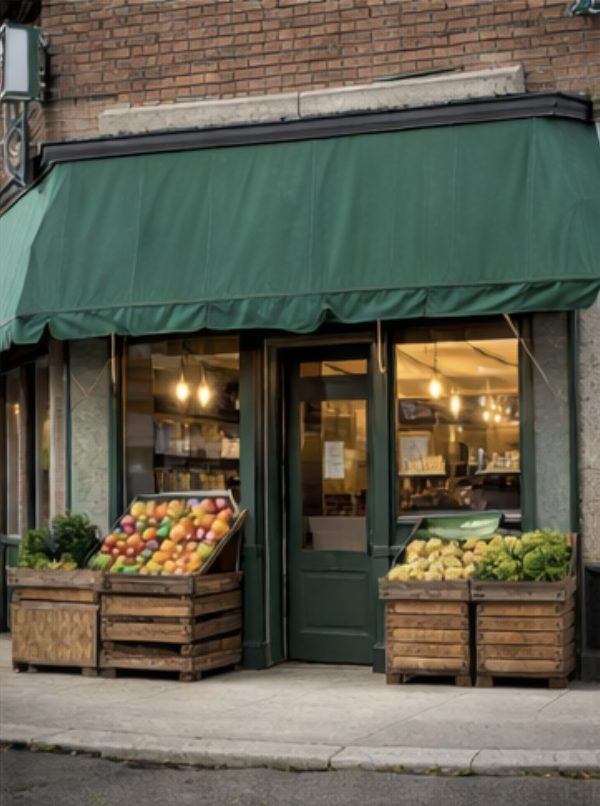
The Corner Grocery
4 days of food waste create 1 full day of store power.
-
![]()
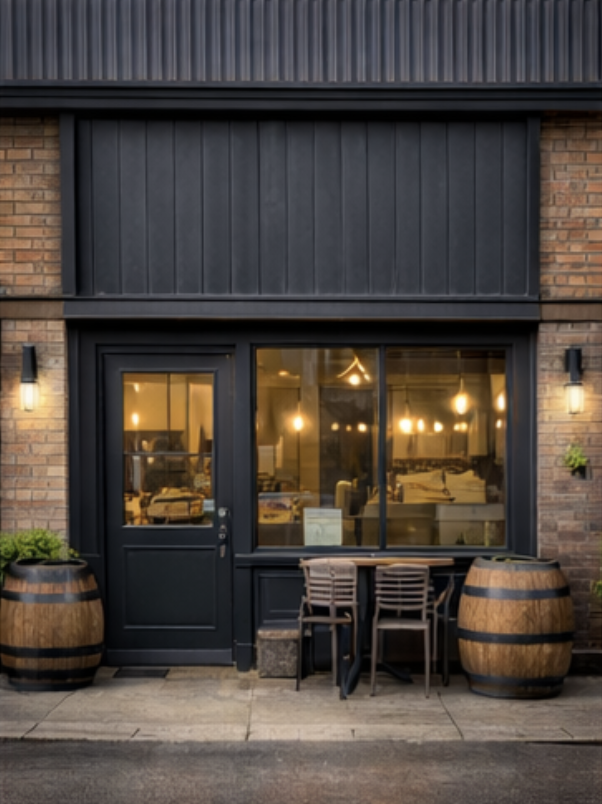
Local Brewery
For a brewery with ~3,000 gallons per week of liquid organics, 1 week of waste creates 1 day of hot water demand for cleaning and brewing support.
-
![]()
School or Campus
7 days of food waste creates 1 week of facilities’ electric utility cart charging.
-
![]()
Food Bank
6 days of inedible donations creates 1 full day of power for critical refrigeration.
-
![]()
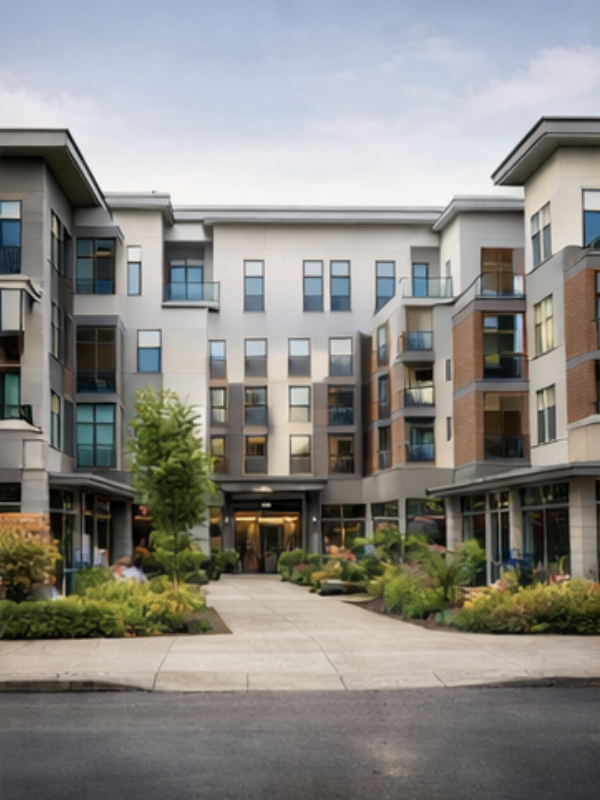
Large HOA
5 days of resident food scraps creates 1 full day of common area power.
-
![]()
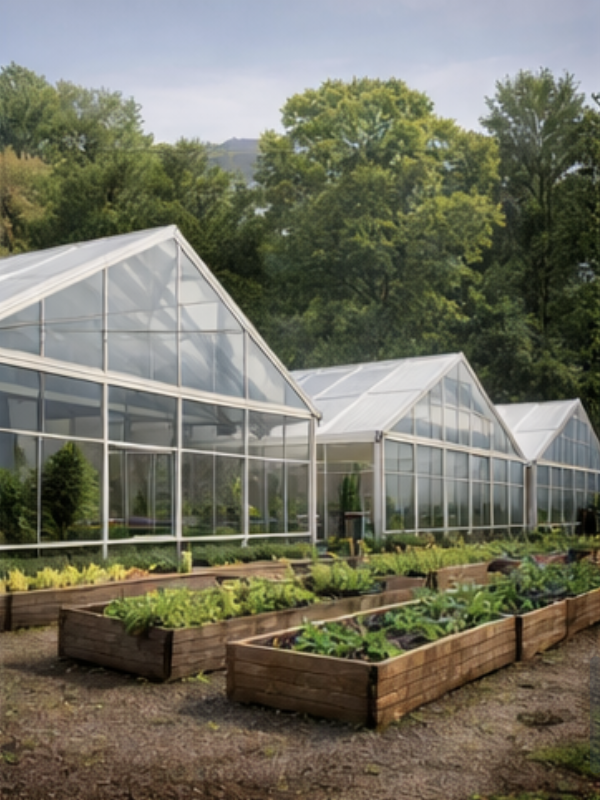
Community Farm
10 days of neighbors' food scraps generate 3 nights of greenhouse heating and bio-fertilizer for 1 growing cycle.
-
![]()
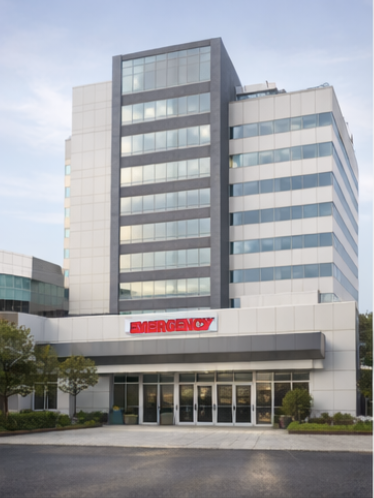
Hospital or Nursing Home
7 days of food waste powers 1 full day of hot water for kitchen and sanitation support.
Why is biomass better?
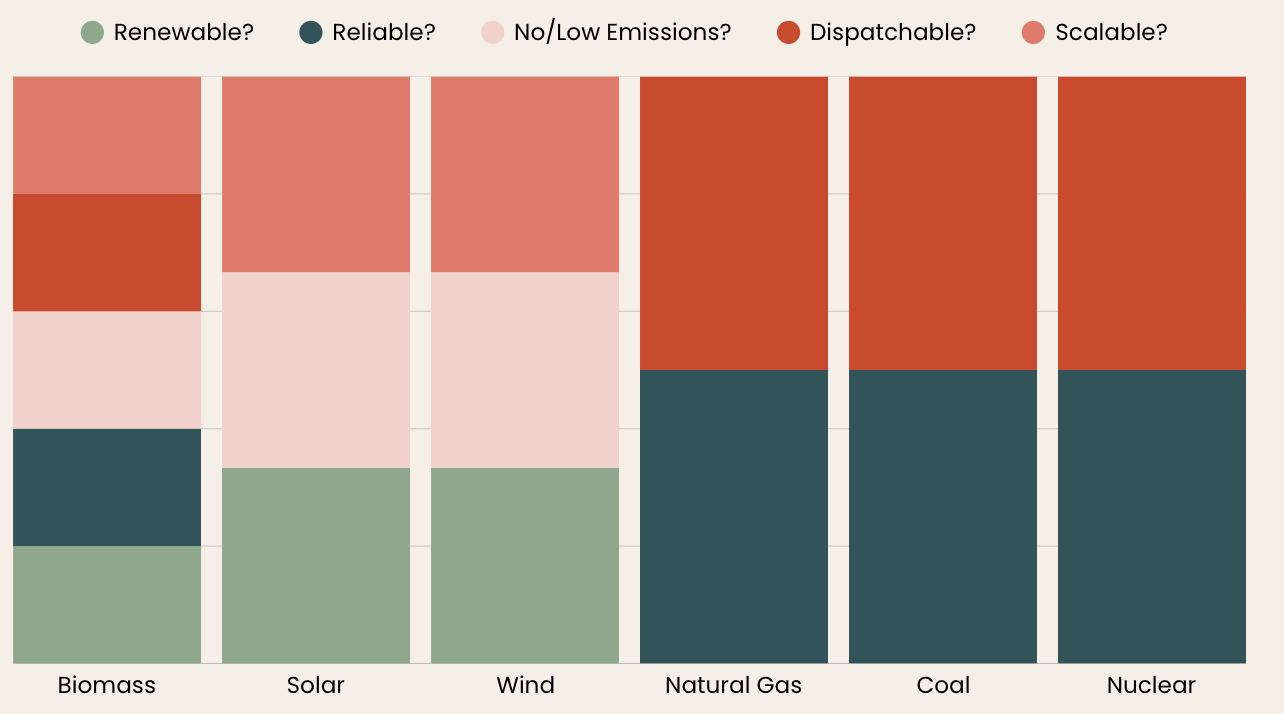
Biomass energy is the perfect mix of traditional and renewable energy sources. Biomass facilities require less land use, less startup and operating costs. Unlike other sources, biomass energy can be operational more quickly and yield usable byproducts: heat for onsite use and high-quality liquid fertilizer.
The community wants better ways to reduce food waste and keep it out of landfills. They want businesses to lead the way.
Community Voices:
“I look at this giant curbside bin that I almost never fill. There has to be a better way.”
"I am a former elementary school teacher and 'food waste' immediately makes me think of the COPIOUS amounts of food wasted at schools."
"I am very worried about the environment."
"Thank you for working on this important issue"
"There have been many changes locally...that have caused us to cut back until we figure out a new system that works for us."
"We have a busy lifestyle and need to have a compost solution that is easy and convenient"
Community Voices: “I look at this giant curbside bin that I almost never fill. There has to be a better way.” "I am a former elementary school teacher and 'food waste' immediately makes me think of the COPIOUS amounts of food wasted at schools." "I am very worried about the environment." "Thank you for working on this important issue" "There have been many changes locally...that have caused us to cut back until we figure out a new system that works for us." "We have a busy lifestyle and need to have a compost solution that is easy and convenient"
People see the problems in current systems. When we heard from 100+ people in less than 24 hours about their current food waste habits and solutions, they were passionate about preventing food waste. In fact, most people had already tried to make changes. Without the right infrastructure, individuals fail.
>> Take our Consumer Survey!
We collect ongoing research on food waste habits and share insights with our clients and community partners.
Why don’t businesses already use Anaerobic Digesters?
Most businesses don’t use AD units today for reasons primarily driven by friction. The benefits are clear, but the path to get there has felt complicated, expensive, and out of reach.
Here is the real story…
Many organizations assume anaerobic digestion is only for large farms or giant plants. They have never seen a small, containerized unit that fits in back-of-house storage, a garage, or the alley behind a cluster of restaurants.
Even though the return on AD units is strong, the initial investment is often too heavy for a small or mid-size business. There is also the fear of “one more system to manage.” Leaders and owners already juggle waste hauling, utilities, compliance, equipment, and staffing. If a solution feels technical or labor-intensive, it gets pushed to the bottom of the list. Finally, the space and utility requirements can be confusing. Leaders often assume they don’t have the footprint or the hookups needed, when in reality, a well-planned unit often fits into a corner of an alley, parking pad, or service yard. None of these barriers are permanent. They need clarity, shared cost models, and a partner who can translate the opportunity into something actionable and straightforward.
This is where Legacy Biomass can help. We provide a clear path to implementing and realizing the benefits of AD, helping businesses move toward real environmental, community, and business impact.
Contact Us
Interested in working together? Fill out some info and we will be in touch shortly. We can’t wait to hear from you!